25 June 2026 · Written by: Yeong Weng Sum
What Is Malaysia Vision Valley 2045 and Why It Matters for Negeri Sembilan
Malaysia Vision Valley 2045, commonly known as MVV 2045, is one of the most important long-term development plans for Negeri Sembilan. It is not just a property concept or a single township project. It is a regional planning framework that covers two key districts: Seremban and Port Dickson.
The purpose of MVV 2045 is to guide future growth, land use, infrastructure, economic activity, tourism, housing, mobility and environmental planning within this important corridor.
A Growth Corridor Covering Seremban and Port Dickson
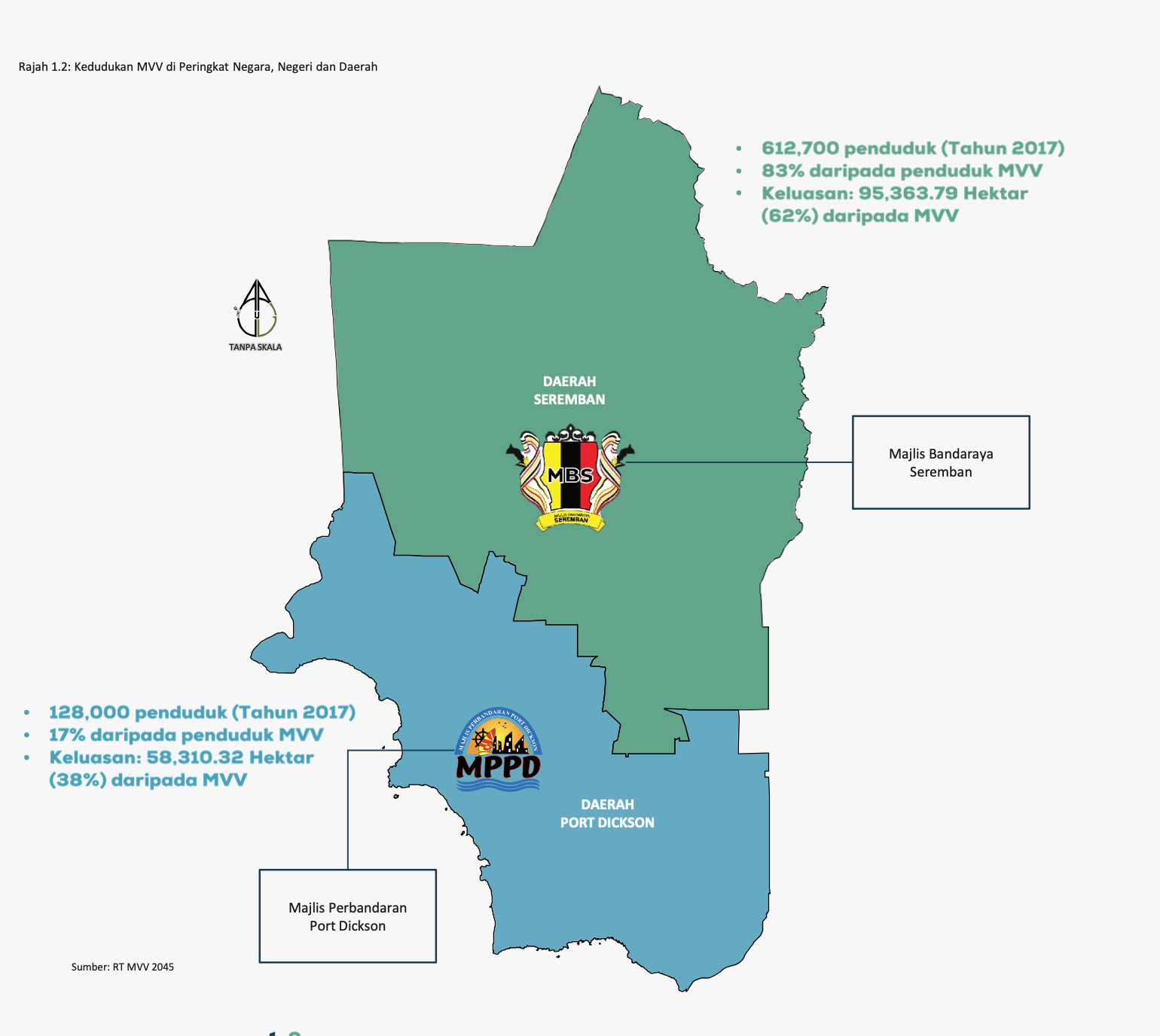
Malaysia Vision Valley covers the districts of Seremban and Port Dickson. These two areas play different but complementary roles.
Seremban is the state capital and main urban centre of Negeri Sembilan. It is supported by residential areas, commercial centres, industrial activity, education facilities, government administration and connectivity to the Klang Valley.
Port Dickson has a strong coastal identity. It is known for beaches, hotels, resorts, tourism activities, military presence, local communities and lifestyle-related developments.
This combination gives MVV a unique structure: Seremban provides the urban and administrative base, while Port Dickson adds tourism, coastal lifestyle, wellness, hospitality and leisure value.
Why MVV 2045 Was Introduced
Malaysia Vision Valley was introduced to provide a more coordinated direction for future development. Instead of allowing growth to happen in a scattered or uncontrolled way, MVV 2045 sets a long-term framework for how land, infrastructure, housing, industries, commercial areas and public facilities should develop.
This is important because Negeri Sembilan sits beside the Klang Valley, one of the most developed regions in Malaysia. As land prices, congestion and development pressure continue to increase in Greater KL, nearby areas with better planning and connectivity may benefit from spillover demand.
Population Growth and Future Demand
One of the key reasons MVV is important is population growth. Long-term planning documents project that the MVV area could grow significantly by 2045, depending on employment creation and economic expansion.
A major driver of this growth is the development plan for Parcel B, which is envisioned as a smart city. This smart city initiative is expected to attract businesses, technology companies, and a skilled workforce, which will naturally increase the population in the surrounding areas.
Population growth affects almost every part of the property market. More residents create demand for housing, schools, healthcare, retail, F&B, offices, logistics, services and public infrastructure.
For commercial property, population growth is especially important because shops and businesses need a stable catchment to survive.
Future Road and Highway Connectivity Under Malaysia Vision Valley 2045
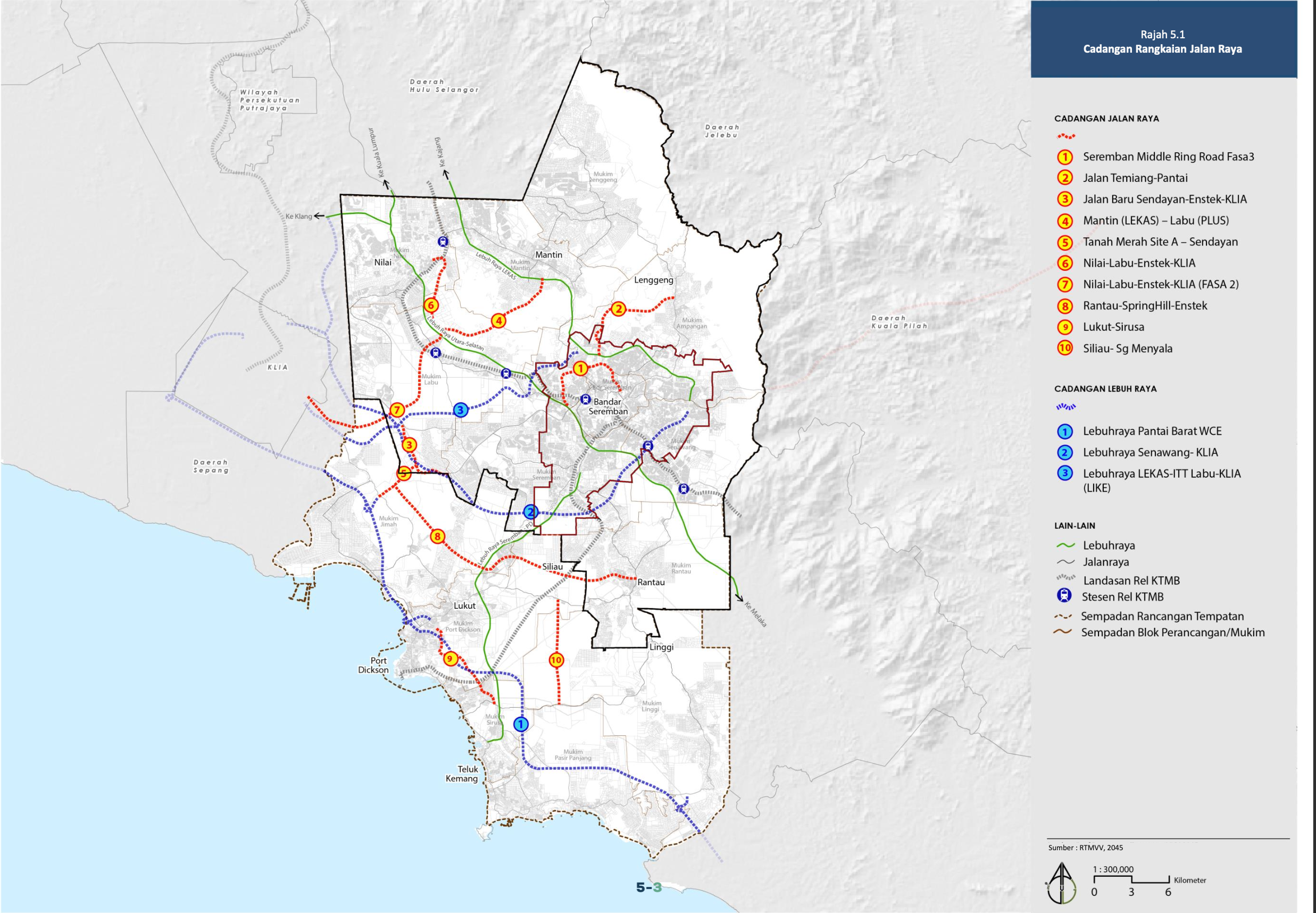
One of the key infrastructure directions under Malaysia Vision Valley 2045 is to strengthen the road and highway network connecting Seremban, Nilai, Labu, Sendayan, Rantau, Lukut, Port Dickson and Teluk Kemang.
The proposed road network is important because MVV is not planned as one isolated development area. It is designed as a wider economic corridor where major towns, future growth areas, industrial zones, tourism destinations and residential catchments are better connected.
According to the RTMVV 2045 road network plan, several new road links are proposed across Seremban and Port Dickson, including routes such as Seremban Middle Ring Road Phase 3, Jalan Temiang–Pantai, Sendayan–Enstek–KLIA, Mantin–Labu, Rantau–Spring Hill–Enstek, Lukut–Si Rusa and Siliau–Sungai Menyala. These proposed roads are generally planned with road reserves of around 50 metres and four-lane configurations, showing the intention to support higher traffic capacity and long-term urban growth.
The plan also identifies three proposed highway connections: the West Coast Expressway, Senawang–KLIA Highway and LEKAS–ITT Labu–KLIA link. These highway proposals are significant because they can improve regional movement between Port Dickson, KLIA, Seremban, Labu, Nilai and surrounding growth areas.
For Port Dickson, the most relevant point is that future connectivity is not only focused on the beach area. The proposed network improves the relationship between inland growth areas and the coastal tourism corridor. Roads such as Lukut–Si Rusa and Siliau–Sungai Menyala can strengthen access towards Port Dickson, Teluk Kemang and surrounding residential and tourism zones.
This is important for commercial property because better road connectivity can increase visibility, accessibility and catchment movement. When roads connect residential areas, tourism destinations, hospitals, resorts, town centres and future development land, commercial locations along strategic routes may benefit from stronger traffic flow and broader customer reach.
Port Dickson’s Position in MVV
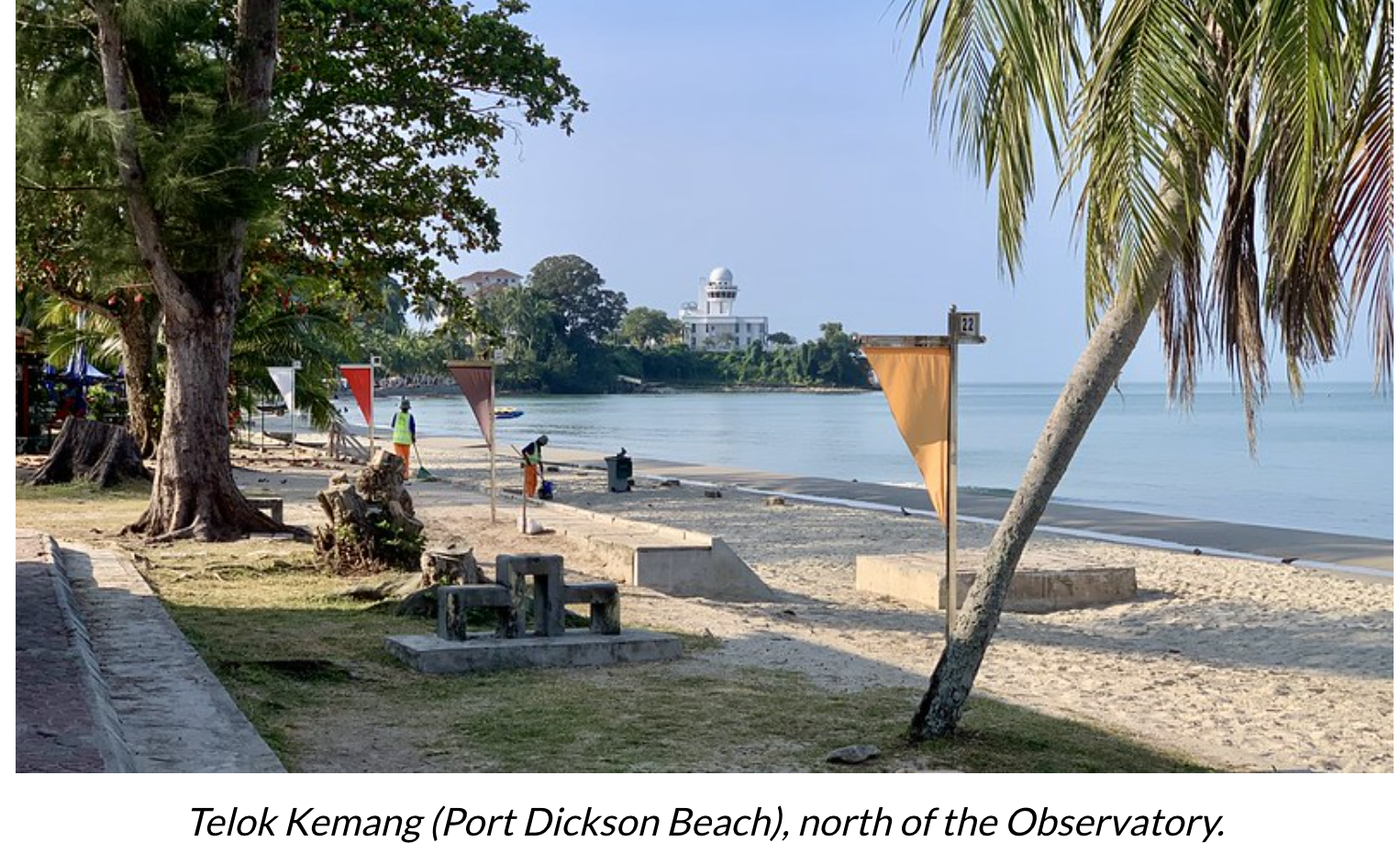
Port Dickson is identified in the Malaysia Vision Valley 2.0 (MVV 2.0) master plan as part of the “Tourism and Coastal Development Cluster,” with more specific initiatives outlined rather than just general tourism growth. According to the Negeri Sembilan Structure Plan and MVV 2.0 documents, the focus includes upgrading the Port Dickson waterfront into a continuous coastal tourism corridor, redevelopment of aging beachfront resorts, and the creation of integrated mixed-use tourism zones combining hotels, retail, and residential components.
The plan also highlights the development of niche segments such as medical tourism (linked to nearby Seremban healthcare facilities), wellness and retirement living communities, and eco-tourism along less developed stretches like Pasir Panjang. There are proposals to improve accessibility through road upgrades connecting Seremban–Port Dickson and better internal traffic circulation, as well as enhancing public amenities such as promenades, marinas, and recreational parks.
In addition, Lukut is earmarked as a supporting commercial and residential hub due to its proximity to Seremban and existing population base, while Teluk Kemang is positioned as a key tourism node with upgraded beach facilities and event spaces. Tanah Merah and surrounding inland areas are identified for future mixed development and logistics support tied to MVV’s broader economic zones.
Economic Direction: Services, Tourism and Higher-Value Activities
MVV 2045 outlines a strategic transition toward a diversified, higher-value economy anchored by services, tourism, advanced manufacturing, education, healthcare, logistics and technology-driven industries. This direction aligns with Malaysia’s broader national development frameworks such as the Shared Prosperity Vision 2030 and the Twelfth Malaysia Plan, which emphasize moving up the value chain and reducing reliance on low-cost manufacturing.
Historically, Negeri Sembilan has functioned largely as a spillover zone for Greater Kuala Lumpur, providing affordable housing and industrial land. However, MVV 2045 aims to reposition the state into a self-sustaining economic region by developing integrated urban centres, attracting knowledge-based industries, and strengthening sectors such as medical tourism, higher education, and digital services. For example, areas like Seremban 2, Nilai, and Port Dickson are being enhanced with infrastructure, institutional developments, and commercial hubs to support this transformation.
Tourism is identified as a key growth driver, particularly in coastal areas like Port Dickson and eco-tourism zones within the region. The plan promotes the development of hospitality infrastructure, recreational facilities, and cultural attractions to increase both domestic and international visitor spending. At the same time, education and healthcare sectors are expected to expand through the establishment of universities, training centres, and medical facilities, which not only create jobs but also attract long-term residents and foreign students.
Logistics and connectivity also play a critical role, supported by proximity to major highways, rail networks, and Kuala Lumpur International Airport (KLIA). This enhances MVV’s attractiveness for distribution, e-commerce, and regional business operations.
For property investors, these economic fundamentals are crucial. Property values are closely tied to the strength and diversity of surrounding economic activities. Commercial properties such as shoplots, offices, and mixed-use developments tend to perform better when located near employment hubs, educational institutions, healthcare centres, tourism zones, and transport corridors. These factors drive consistent footfall, tenant demand, and long-term capital appreciation, making location within these emerging growth nodes a key consideration for investment decisions.
Why This Matters for Port Dickson Commercial Property
Within the MVV framework, Port Dickson stands out because it has a different demand profile compared with many inland towns. It has weekday local demand and weekend tourism demand. It also has hotels, resorts, beaches, army-related population, hospitals, residential areas and future development land.
This makes certain commercial locations in Port Dickson worth studying carefully, especially if they are positioned near main roads, residential catchments, tourism nodes or future access improvements.
The key is to identify whether a commercial property is supported by real surrounding demand, not just future planning narratives. A strong location should have practical business visibility, accessibility, parking convenience and a clear customer catchment.
Conclusion
Malaysia Vision Valley 2045 is a long-term regional growth plan for Seremban and Port Dickson. It aims to position Negeri Sembilan as a more competitive, inclusive and sustainable economic corridor connected to Greater KL.
For Port Dickson, the opportunity is especially interesting because it combines coastal tourism, local population, future infrastructure and service-sector growth. As MVV continues to shape long-term planning, well-positioned commercial areas in Port Dickson may become increasingly relevant within Negeri Sembilan’s future growth story.
Explore M51 Avenue
Interested in what you read? Take the next step.
Prepared by Yeong Weng Sum
Disclaimer: The information provided in this article is based on publicly available sources, market observations, and the author's own research and opinions at the time of writing. It is intended for general informational purposes only and should not be considered legal, financial, investment, or professional advice. Readers are encouraged to conduct their own due diligence and consult qualified professionals before making any property or investment decisions. The author and website shall not be held liable for any losses or decisions made based on this content.